Residual Stress Measurement
What is Residual Stress? Residual stress are locked in stresses within a metal object, even though object is free from external forces. The stresses result when one region of the metal experiences constrained by expansion of adjacent regions, preventing it from either expanding, contracting or releasing elastic strains.
Why it’s important to measure Residual Stress?
Residual Stress can be beneficial or detrimental depending on whether the stress is tensile or compressive.
If Tensile Stress is large enough it can cause distortion or cracking. Fatigue and Stress Corrosion Cracking occur in the presence of Tensile Stress. On the other hand Residual Compressive Stresses are generally helpful as they contribute to the improvement of fatigue strength and resistance to Stress Corrosion Cracking.
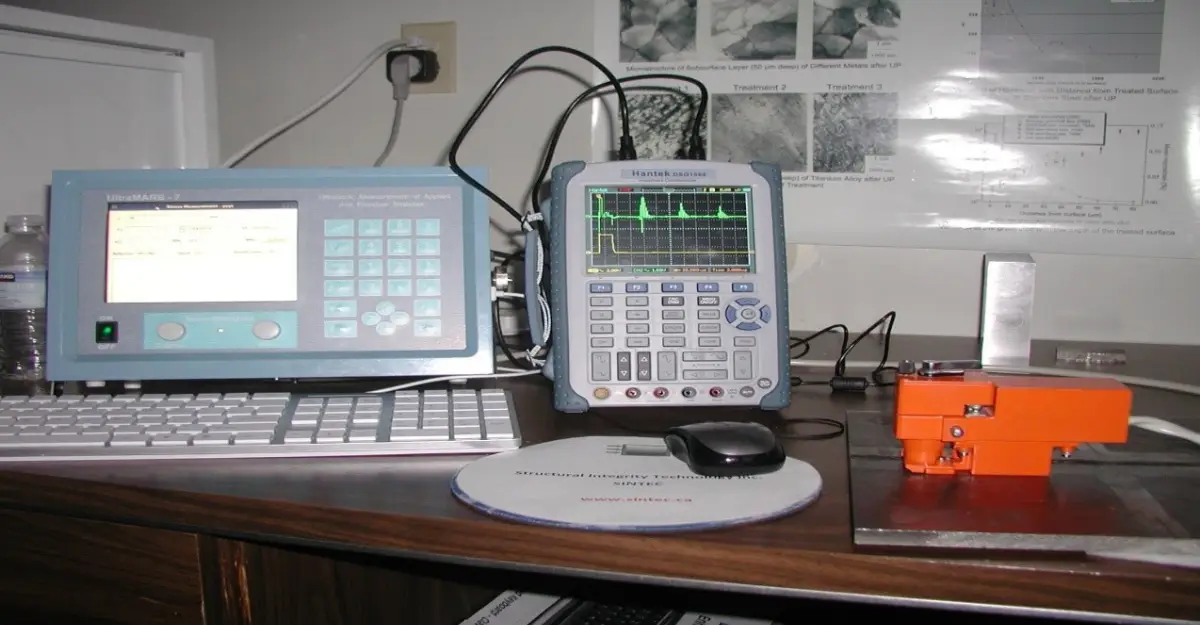
Therefore controlling the type and magnitude of Residual Stress is important for applications in which components may be exposed to fatigue or stress corrosion cracking. This can be achieve through Mechanical Treatment methods such as Shot Peening or Ultrasonic Impact Treatment.
ULTRASONIC RESIDUAL STRESS MEASUREMENT TECHNIQUE
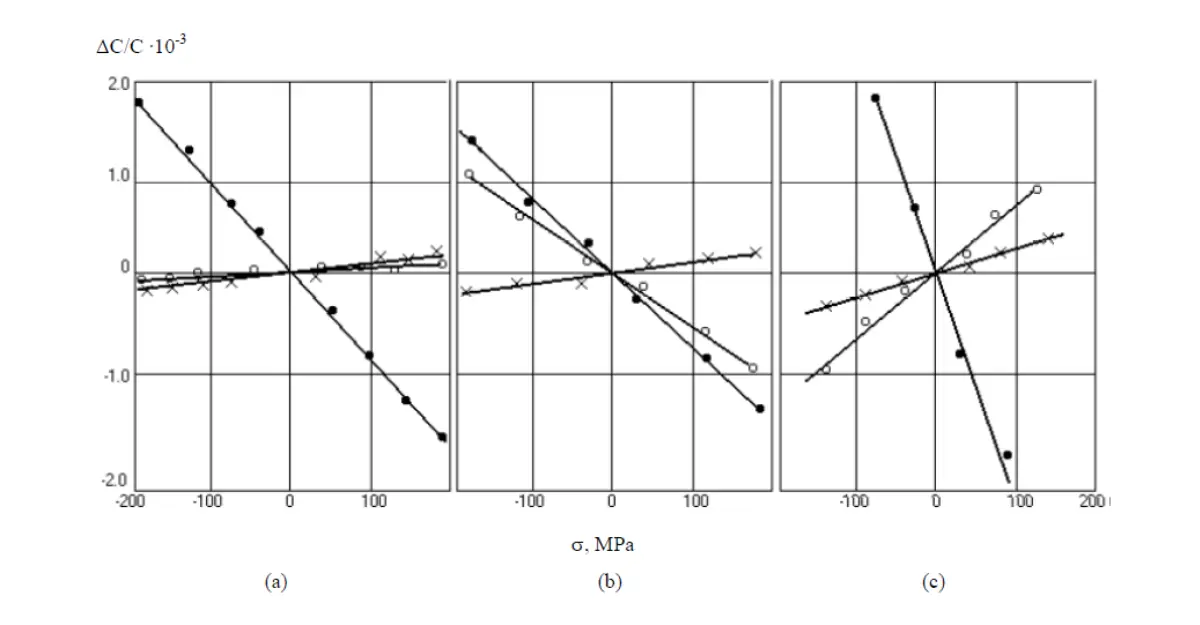
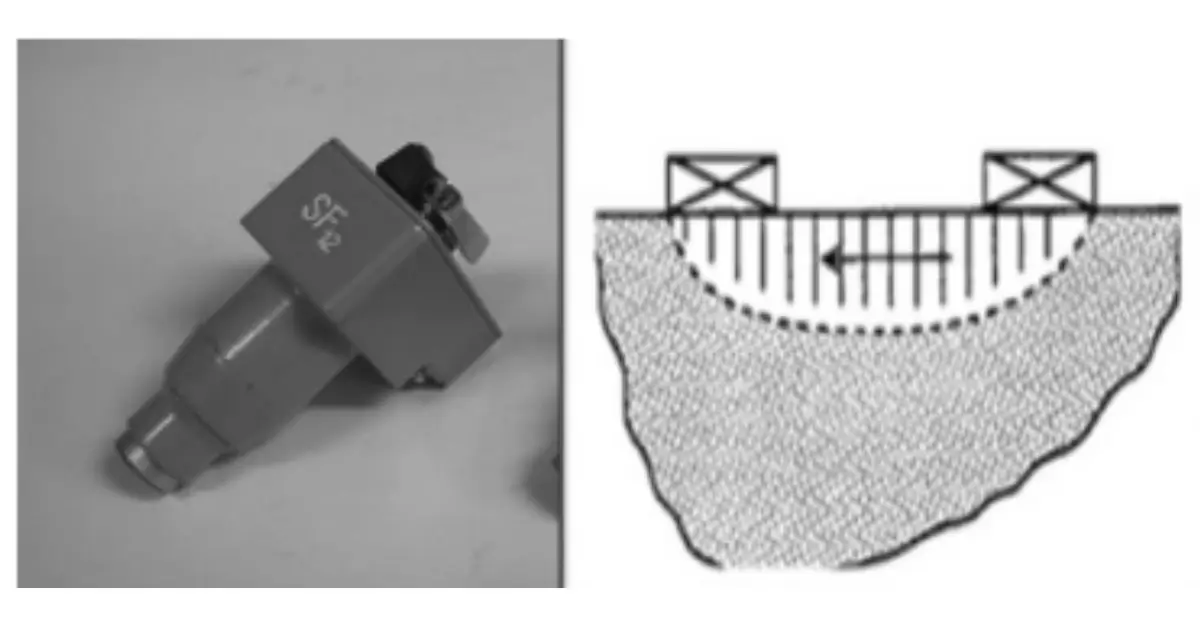
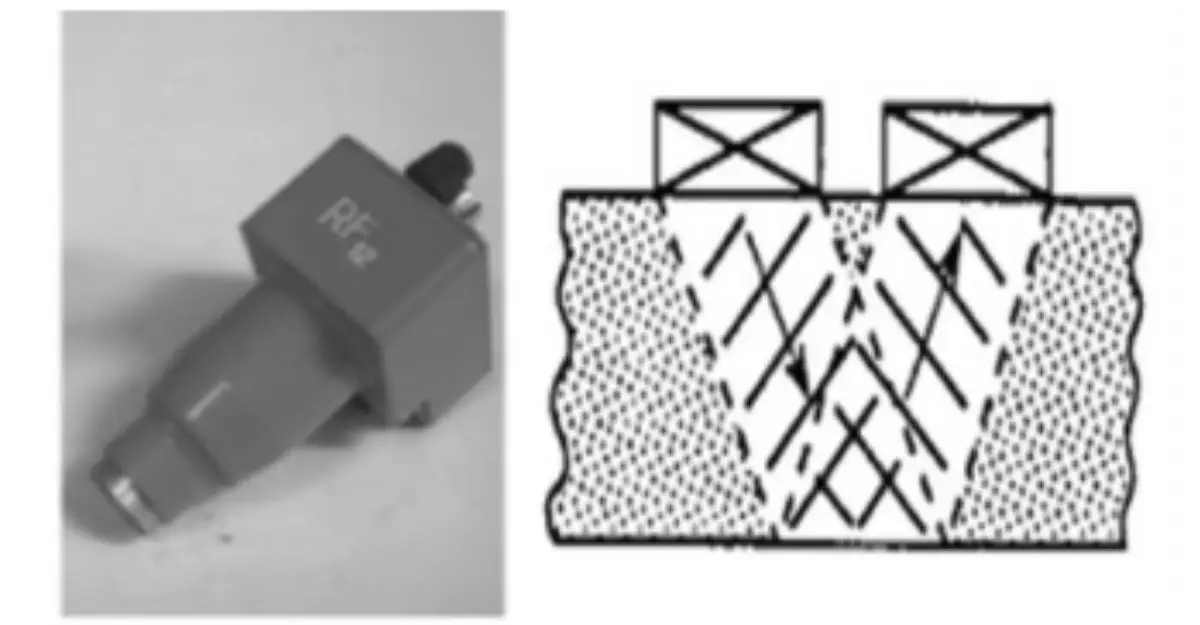
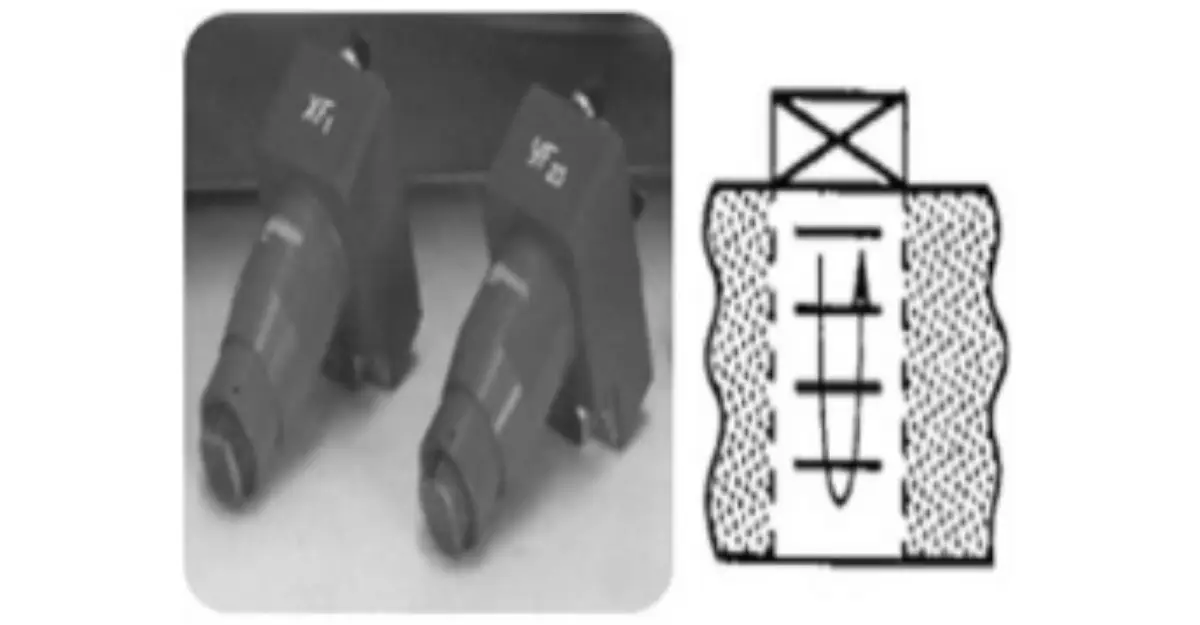
Ultrasonic stress measurement techniques are based on the acoustic-elasticity effect, according to which the velocity of elastic wave propagation in solids is dependent on the mechanical stress.
The relationships between the changes of the velocities of longitudinal ultrasonic waves and shear waves of orthogonal polarization under the action of tensile and compressive external loads can be determined depending upon material properties.
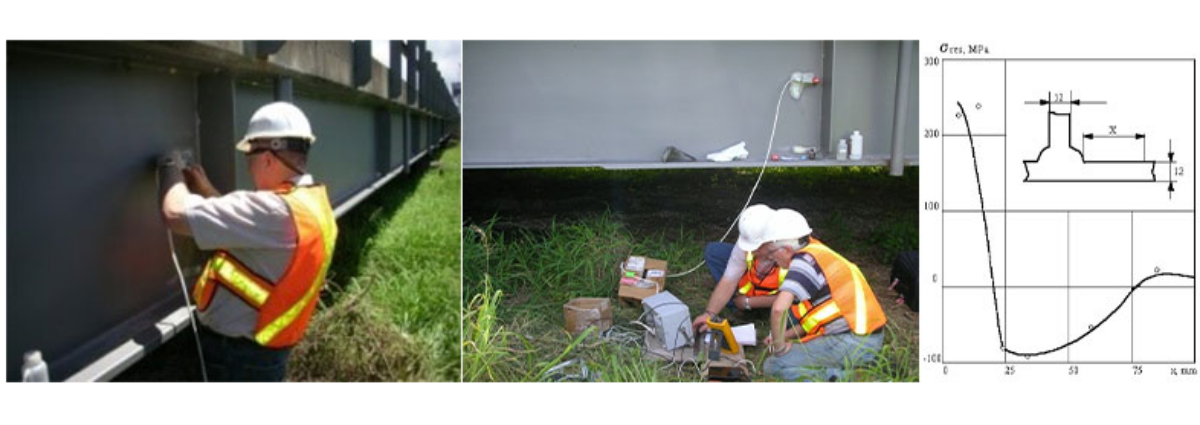
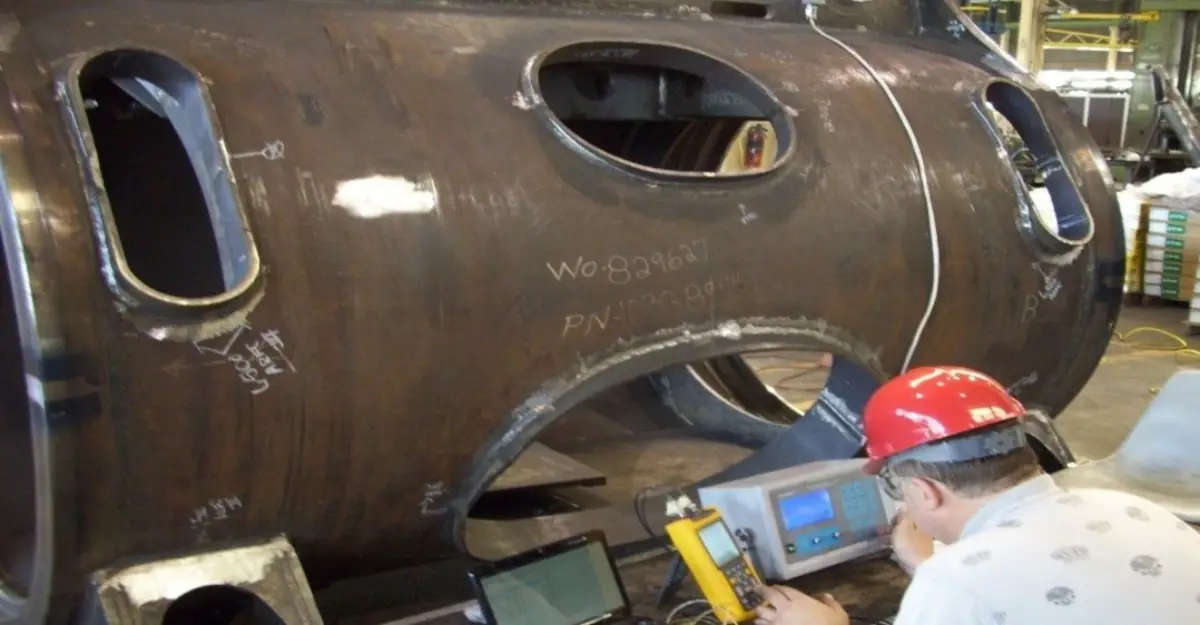
Measurement of Residual Stresses in a Bridge
The main technical characteristics of the measurement unit
Stress can be measured in materials with thickness 2 – 150 mm
Weight of unit with sensors: 6 kg
Error of stress determination (from external load): 5 -10 MPa
Error of residual stress determination: 0.1 sy (yield strength) MPa
Stress, strain and force measurement in fasteners (pins) 25-1000 mm long
Independent power supply (accumulator battery 12 V)
Overall dimensions of measurement device: 300x200x150 mm
Benefits
Ultrasonic system is portable to measure the residual stresses in real structure.
Free from radiation.
Light in weight.
Deeper penetration.
Inexpensive as compared to other NDT techniques.